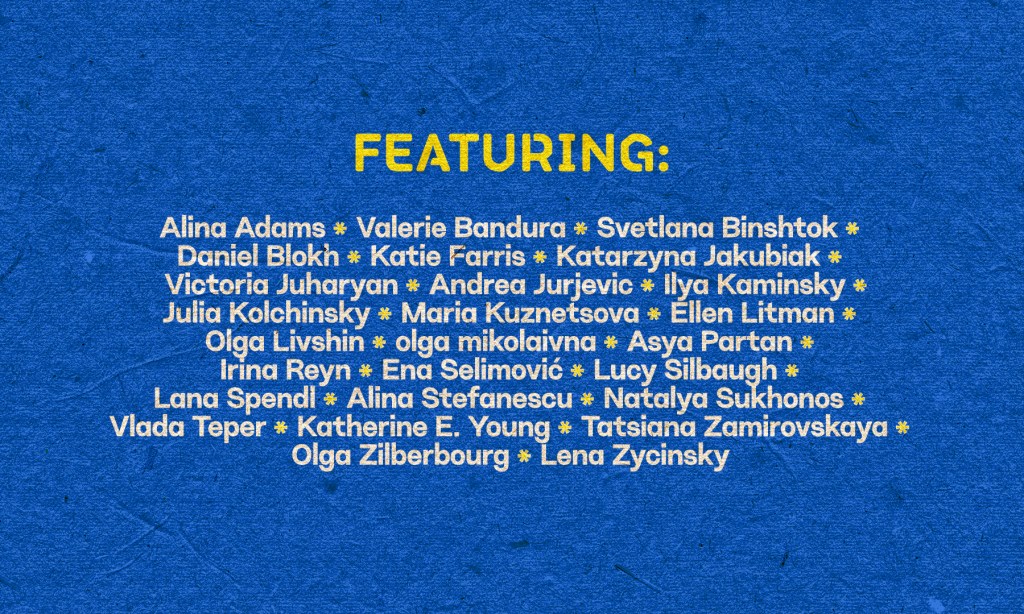
Video from Eastern European Voices for Resistance and Reinvention

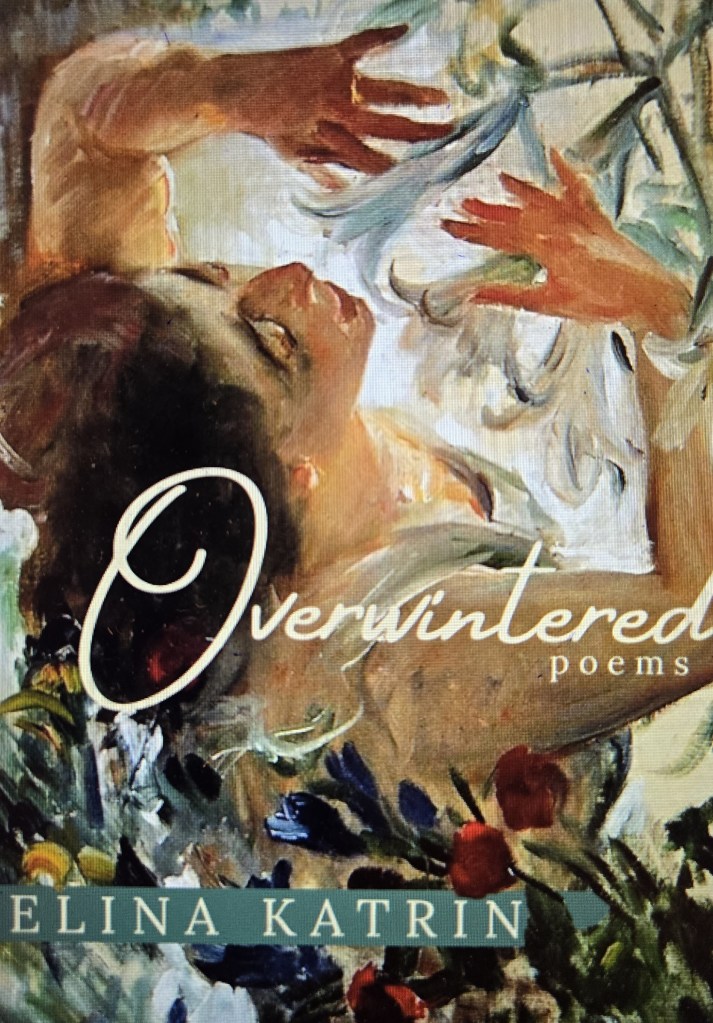
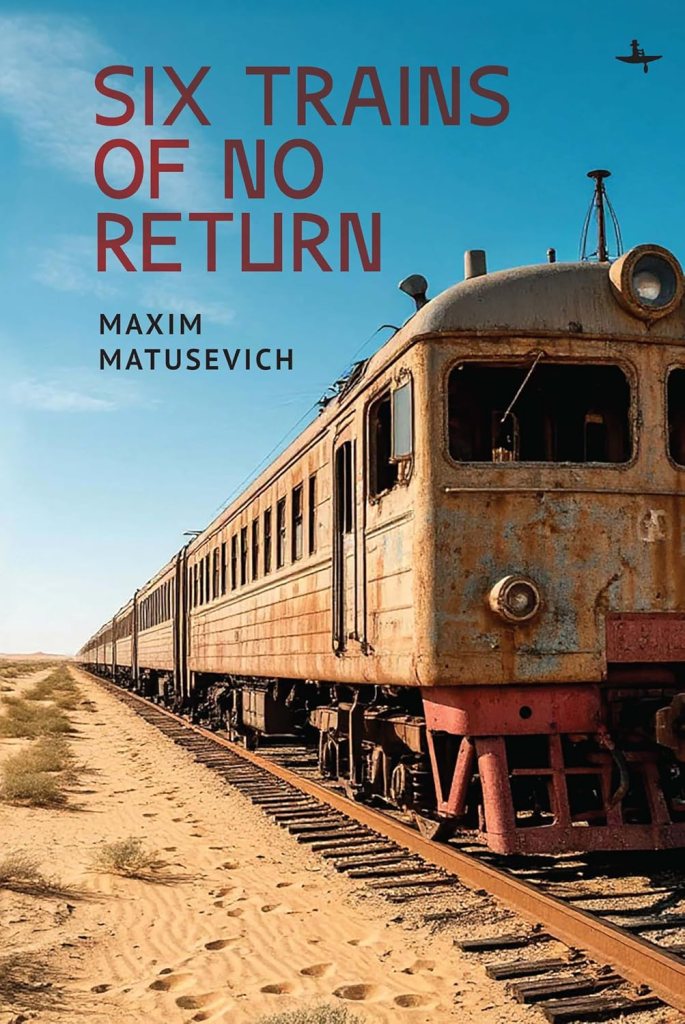
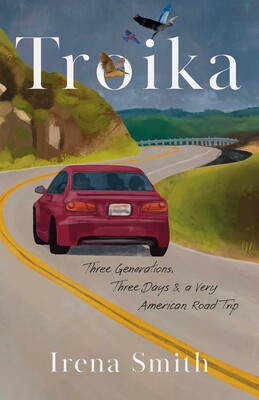
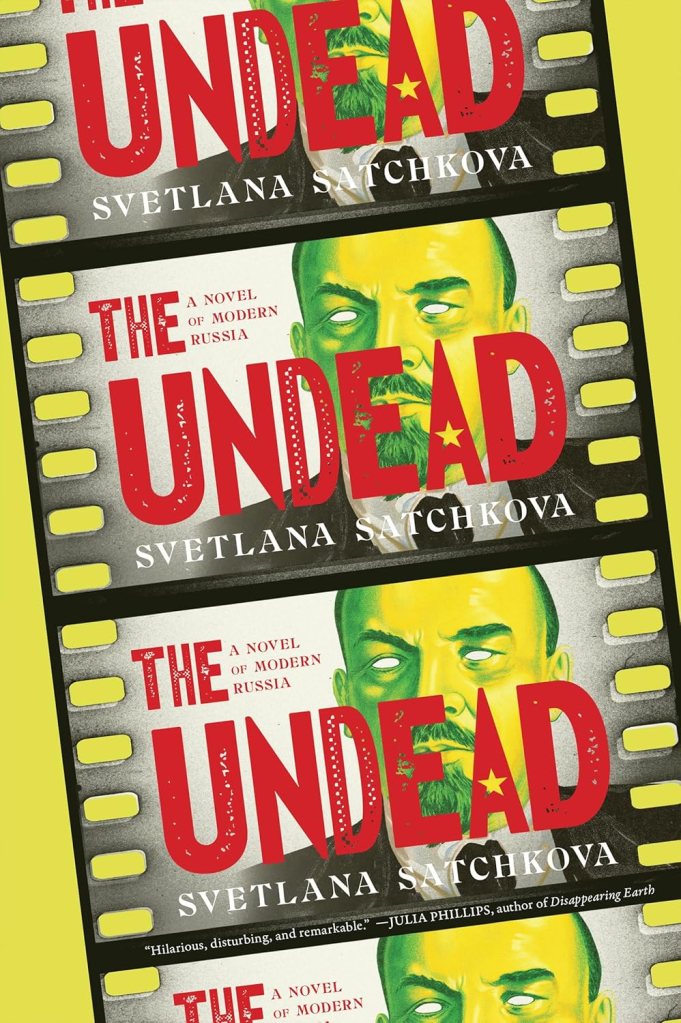
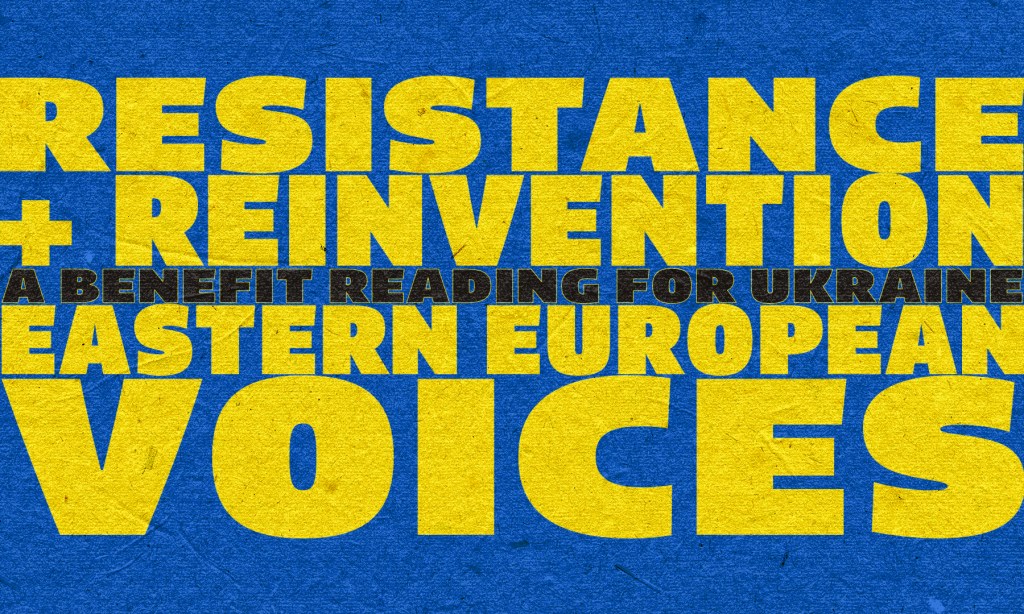
Thanks to those of you who could attend our event, Eastern European Voices for Resistance and Reinvention, hosted by Library Nineteen in Baltimore on March 7. We loved having you as our audience and hope to continue the conversations in various ways.

Ukraine needs all of our support. While there are many ways to help, we’re asking for donataions to Ukraine TrustChain, an organization that helps evacuate civilians out of war zones: https://www.ukrainetrustchain.org/

Continue reading “Video from Eastern European Voices for Resistance and Reinvention”

Eastern European Voices for Resistance and Reinvention

When: March 6, 7:00 pm

Where: Library Nineteen
606 S. Ann St, Baltimore MD, 21231

This one-of-a-kind reading brings together writers from Eastern Europe and the post-Soviet countries who now make their homes across the United States. Taking place during the 2026 AWP Conference, the event celebrates a growing circle of poets, prose writers, and translators from complex, cross-cultural identities whose work is shaped by displacement and immigration, survival and resilience.

Continue reading “Eastern European Voices for Resistance and Reinvention”

Writing is the Closest We Will Ever Get to Time Travel: A Guest Essay by Dana Kanafina

Today we are featuring a personal essay by Dana Kanafina, a writer from Kazakhstan, currently living in Germany. Although I have never been to Kazakhstan, I have (an admittedly tenuous) connection with it: my grandmother and her family were evacuated to Alma-Ata (now Almaty) from Ukraine during WWII, which is how she and my great-grandmother survived. In a more recent and less life-and-death way, Almaty is where students from our department at UCLA have been going to study abroad, given that, even before the outbreak of the war in Ukraine, they have been unable to study in Russia (I “entertained” the first cohort of such students by telling them that I was sure their experiences would be much better than my grandmother’s). We have previously highlighted contemporary Kazakhstani literature on Punctured Lines; the essay by Dana Kanafina focuses on Kazakhstan’s literary scene, both what it looks like today and what it might look like in the future.

Continue reading “Writing is the Closest We Will Ever Get to Time Travel: A Guest Essay by Dana Kanafina”

“everybody knows . . .” An Excerpt from Nadezhda in the Dark by Yelena Moskovich

Today, in the US, we welcome a new book by Ukrainian-born American and French author Yelena Moskovich. Innovative Dzanc Books is bringing to us Nadezhda in the Dark, a novel-in-verse, previously published in the United Kingdom by Footnote Press. We’re deeply grateful to independent presses that make great books accessible to readers across the world. Please support Dzanc Books by ordering your copy today!

When asked to contribute our responses to this book, Yelena Furman said:

“Brimming with references from Russian and Ukrainian literatures to Alla Pugacheva and the Moscow 1990s gay club scene, Nadezhda in the Dark is a poetic disquisition on global history and self-identity. Discussions of Soviet anti-Semitism and the war in Ukraine merge with explorations of immigration and queer love. In language simultaneously lyrical and sharp, Moskovich shows how the personal and political, the present and past, are inextricably linked in ways that are often traumatic but also occasionally hopeful.”

Continue reading ““everybody knows . . .” An Excerpt from Nadezhda in the Dark by Yelena Moskovich”

Owning Fear, Reaching for Freedom: Post-Soviet Writers + Translators Speak Out

A flyer displaying ten author's photos alongside  three quarters perimeter. In the center left, in black, title of the event:
OWNING FEAR, REACHING FOR FREEDOM: POST-SOVIET WRITERS AND TRANSLATORS SPEAK OUT
on the right, in red: LIT CRAWL SAN FRANCISCO
Below, in Blue:
Sat OCTOBER 25TH 5-6 PM
AT RUTH'S TABLE
2160 21st Street
Sponsored by California Humanities and Ruth's Table

Dear Punctured Lines community — please help us spread the word about the next San Francisco Bay Area reading by writers born in the former USSR. This event is a part of San Francisco’s annual Lit Crawl festival and will take place at Ruth’s Table (3160 21st Street) on October 25, 2025 at 5 pm.

Continue reading “Owning Fear, Reaching for Freedom: Post-Soviet Writers + Translators Speak Out”

We Have to Go Back: Speculative Fiction, Nostalgia, and the Ghosts of Bookshelves Past, Guest Essay by Kristina Ten

We’re delighted to welcome Kristina Ten on the blog with an essay about some of the origins—personal, familial, cultural, and political—of her debut short story collection. Tell Me Yours, I’ll Tell You Mine will be published by Stillhouse Press on October 7, 2025. Please pre-order the book and ask your local and academic libraries to purchase it. Authors and publishers depend on advance orders! And please don’t forget to rate and review.

— Punctured Lines

History Without Guilt

Part of putting a book out into the world is asking people to read it, and part of asking people to read it is letting go of whatever carefully assembled artist statement lives in your head—how you would describe what your work is circling around, grasping at—and embracing that every reader is going to define their experience with your book for themselves.

That’s what I’m currently doing with my debut story collection, Tell Me Yours, I’ll Tell You Mine. And the definition early readers keep landing on is the word “nostalgic.”

Knowing these readers, I can tell they mean it as a compliment, or at least a helpful neutral statement. All the stories in the book revolve around games and the childlore of the aughts: the divinatory power of cootie catchers, the electrifying lawlessness of the early internet, bonfire legends whispered with a flashlight held under the chin. About half the stories feature young protagonists. Many are set in schoolyards, summer camps, and locker rooms. Others are set in the kind of far-off realms that would feel right at home in a child’s imagination—even as the book itself is unquestionably adult, preoccupied with the horrors of, one, being controlled; and, two, the constant vigilance some of us (girls and women, immigrants, queer people) learn to exercise against it.

Continue reading “We Have to Go Back: Speculative Fiction, Nostalgia, and the Ghosts of Bookshelves Past, Guest Essay by Kristina Ten”

Queering Peripheries: Lara Vapnyar’s “Lydia’s Grove”: Soviet-Born: The Afterlives of Migration in Jewish American Fiction by Karolina Krasuska

Today we are featuring an excerpt from Soviet-Born: The Afterlives of Migration in Jewish American Fiction (Rutgers UP, 2024) by Karolina Krasuska, associate professor at the American Studies Center and co-founder of the Gender and Sexuality MA Program at the University of Warsaw, Poland. Starting in the early 2000s, Jewish immigrant writers from the former Soviet Union have appeared on the US literary scene in increasing numbers. While Gary Shteyngart, who can give lessons in self-promotion, is the most well known, the list comprises more women, including Lara Vapnyar (a Q&A with whom we have featured on this blog), Anya Ulinich, Irina Reyn, and Ellen Litman, to name only a few. As their books continued to be published, academics began to take note, organizing conference panels and writing on the subject (I am happy to have contributed to this field of study from its inception). The first and foundational monograph was Adrian Wanner’s Out of Russia: Fictions of a New Translingual Diaspora (Northwestern UP, 2011), which discussed the global phenomenon of ex-Soviet immigrant writers in the various countries to which they immigrated. Krasuska’s is the first academic volume specifically devoted to ex-Soviet Jews living and writing in the US, where the largest number of such immigrants resides.

Continue reading “Queering Peripheries: Lara Vapnyar’s “Lydia’s Grove”: Soviet-Born: The Afterlives of Migration in Jewish American Fiction by Karolina Krasuska”

Seven Forty: Memoirs of a Jewish District Attorney from Soviet Ukraine by Mikhail Goldis, translated, edited, and with an Introduction by Marat Grinberg

Memoirs of a Jew who prosecuted criminals in Soviet Ukraine – The Forward

We are happy to feature an excerpt from Mikhail Goldis’s Memoirs of a Jewish District Attorney from Soviet Ukraine (Academic Studies Press, 2024), translated by Marat Grinberg, professor of Russian and humanities at Reed College and Goldis’s grandson. Grinberg’s previous book was the highly informative The Soviet Jewish Bookshelf: Jewish Culture and Identity Between the Lines (Brandeis University Press, 2022). The Soviet Jewish Bookshelf makes the original argument that, in the anti-Semitic Soviet Union, Jews circumvented the proscriptions on public expression of Jewish identity “through their ‘reading practices'”: they built up home libraries of books on Jewish subjects, which, given “the heavy censorship of Jewish content,” they often had to read “between the lines” (the citations are from my review). Olga interviewed Marat about his book, and you can listen to their rich conversation here, which includes reading suggestions of the various writers the book discusses.

Continue reading “Seven Forty: Memoirs of a Jewish District Attorney from Soviet Ukraine by Mikhail Goldis, translated, edited, and with an Introduction by Marat Grinberg”

Graphic Memoirs and Novels of Soviet Trauma

I didn’t grow up reading graphic novels. Back in the USSR and Russia comics did not exist as a genre. To this day, some of my contemporaries from that part of the world might occasionally dismiss the whole field of graphic literature as meant only for children. But as time goes on, this genre has been asserting itself within the field of literary studies and has been taken up by an ever-increasing number of creators from the countries of the former USSR and diaspora. It’s become a vibrant source of nuanced, memorable narratives. Many contemporary artists and writers are turning to graphic forms of storytelling to explore creative possibilities that the form has to offer.

Continue reading “Graphic Memoirs and Novels of Soviet Trauma”

How Moscow’s 1957 World Youth Festival Inspired Me to Go On Pretending: Guest Essay by Alina Adams

Today we welcome Alina Adams back to the blog with an essay about her interracial family’s trip to Moscow (before the war in Ukraine) and its connection to her recently released novel, Go On Pretending (History Through Fiction, 2025), featuring a fictional interracial family. You can read our previous conversations with Alina here and here. As one of the excerpts below shows, a key element in her novel is the 1957 World Youth Festival in Moscow, during Khrushchev’s Thaw, which was meant to demonstrate the Soviet Union’s liberalization and racial tolerance (you can guess how that turned out). The reference to the festival immediately made me think of a different novel by another ex-Soviet Jewish immigrant writer in which it is an important plot element: Petropolis (Penguin Random House, 2008) by Anya Ulinich. If you would like to know more about this lesser-known event and about the Soviet Union/post-Soviet Russia and race, let Alina explain below and then order Go On Pretending (and Petropolis).

Continue reading “How Moscow’s 1957 World Youth Festival Inspired Me to Go On Pretending: Guest Essay by Alina Adams”